A sore point for most people is, of course, what happens out on the road. It doesn’t matter whether you’re on the highway, in the city, or out of town — you need to know the right sequence of actions could change everything. Because honestly, the more you know, the better you’re covered.
Every day, our team at Kremenchuker Law Group finds itself answering the same concern: clients come to us unsure what to do after a car accident, trusting that we will navigate them through the chaos. That’s why it’s time for us to introduce an educational article for situations like these.
Key Takeaways
- An overview of the must-know things to do after a car accident in different scenarios — both in at-fault and no-fault states, including Florida.
- We’ll walk through when getting an attorney is simply a good idea — and when you indeed can’t handle things without one.
- And what to do after a car accident if the case ended up with injuries, whether minor or severe.
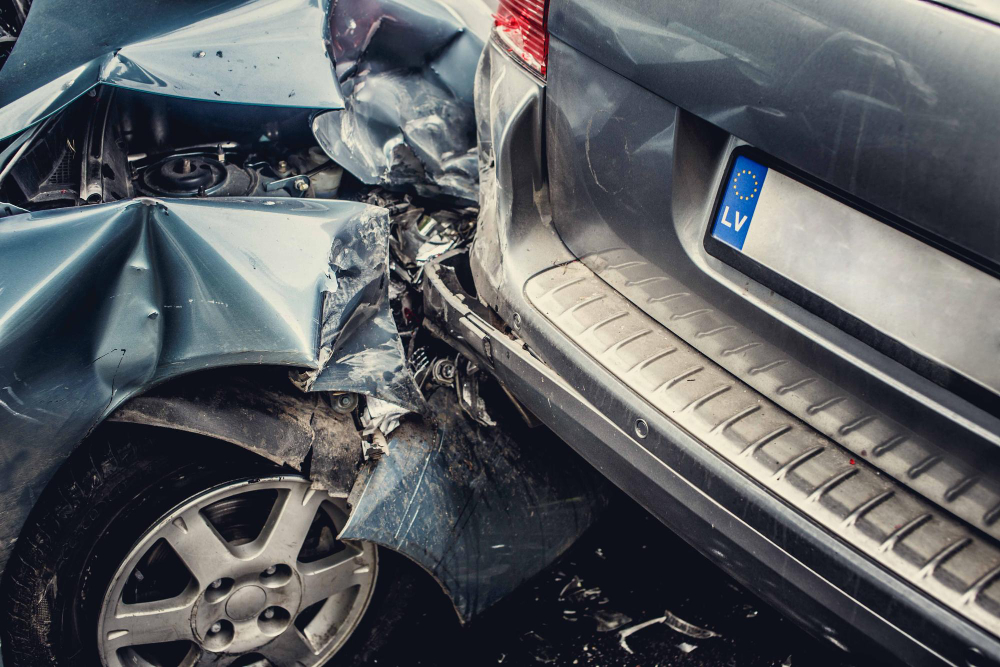
What to Do After a Car Accident: General Recommendations for All States
After car accidents in the U.S., there’s a strict sequence of steps, and every driver should at least be familiar with it on a basic level. However, if you clearly know the proper actions, the paperwork and interactions with the insurance company will be more rapid and without pressure.
So, what to do after a car accident: you must stop the car, turn on your danger lamps, and contact the police and 911 if necessary. In our work, we often remind drivers that in many states, even a little casualty is worth having a police report for, because it later becomes a key element in verifying fault and determining the payment each party should receive. Another important set of post-accident actions is exchanging contact information with the other party and, of course, documenting all necessary details — taking photos definitely won’t hurt either.
By the way, we’re often asked: what do I do after a car accident if I am at fault — or if I am not. In our practice, we often remind clients that fault doesn’t change the basics: you still have to follow the required steps. If the incident is insignificant and you’re in a no-fault area, then you can simply choose not to phone the police and handle everything directly with the other person and the insurer. But you can’t require immediate payment the way it’s done in traditional fault states.
Some Tips on What to Do After a Car Accident in Florida
So, specifically for our jurisdiction: what to do after a car accident in Florida. Our state uses a no-fault scheme, indicating that part of the costs is covered anyway without paying attention to the guilty. Therefore, in most circumstances, your policy pays hospital payments and other bills, even if you weren’t responsible.
But overall, you still have to do the same things you would anywhere else in the U.S.: get the info, reach the police, and inform your insurance. Also note that Florida car accident laws require you to go for medical help up to fourteen days in order to allow for PIP. That’s one of the downsides of the no-fault procedure.
In Florida, drivers contact the policemen for almost any car situation, even though an official report accident is only required when there are injuries, a fatality, a drunk driver, or notable property harm.
Another thing that sets our state apart is the high number of fraud cases, which means your insurance company will carefully review everything. In situations like this, we take a careful approach: we advise people to call the police and record every detail they can, especially through images and video, so you’re less likely to face questions later.
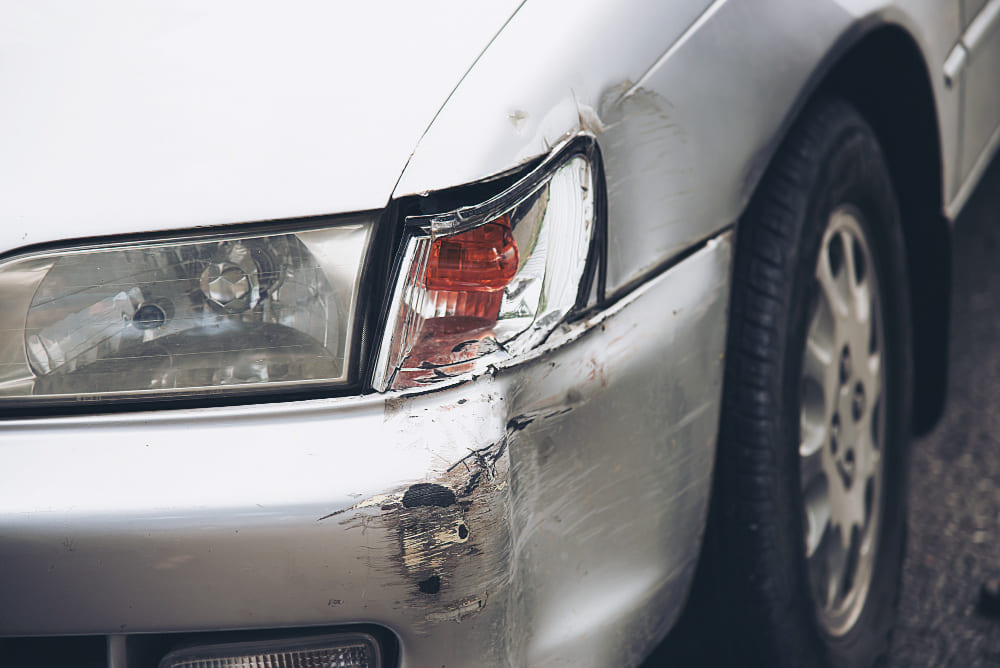
Steps to Take After a Car Accident When It’s Not Your Fault
So, there are situations on the roadway when you’re not just 100% sure but 1000% sure it`s not your responsibility, and even then, you shouldn’t let your guard down. Doesn’t matter who provoked the collision — you still have to go through the whole car accident procedure.
Of course, you can choose to trust the other motorist, but you also need to understand how human psychology operates: even if their fault seems obvious, it doesn’t mean they won’t try to downplay it.
So, the steps to take after a car accident remain the same: first, control, if everyone is safe, and then find as much evidence of the other person’s fault as you can, including witnesses. If they don’t phone the officers, do it yourself, and call your car accidents lawyer as well; that’s completely normal. If the other person has contacted their attorney, you should certainly call out on your own: he will tell you exactly what steps to take after a car accident and will do all the work.
Car Accident Checklist When It’s Your Fault
The car accident checklist when you’re guilty is not much different from the others. But in situations like this, legal assistance becomes absolutely necessary, especially if there is personal injury. In Florida, a police report is required in such circumstances, as your representative will need it to protect you from inflated claims, improper demands, and insurer pressure. And if you have no idea what to do, then all the more reason to call an attorney — they can give you real-time follow-up tasks after a car accident and advise you based exactly on your specific situation.
That is why in every situation, it is better to add a phone contact to your attorney to the accident response guide, so neither the police nor anyone else can exaggerate the degree of your fault.
What Not to Do After a Car Accident
- What not to do after a car accident is to escape the place. That would be a serious hit-and-run violation, and it can easily lead to a court issue.
- One of the most common mistakes after an accident is making emotional statements, even when the other participant was the one who had the responsibility.
- You should never skip a medical check-up, even if you feel fine — there can be hidden injuries.
- Don’t talk to the opposite insurance representative unless you really have to — and especially not without your lawyer.
Conclusion
We’ve included in this article the most essential tips on what to do after a car accident in any condition. Although people often forget everything in stressful circumstances, contacting your counselor is the best way to make sure you are familiar with all the right steps to take after a car accident. Call Kremenchuker Law Group if you require guidance, don’t know what to do, or even need a personal injury attorney after an incident. We have years of background, and we understand how to align the regulation with your interests.