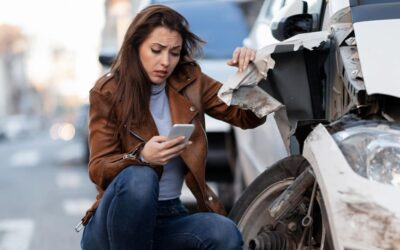
Florida’s rules for property damage after a car accident are often misunderstood because people confuse them with the state’s “no-fault” system for medical claims. While Florida is “no-fault” for injury claims, property damage claims are handled under a fault-based system. This means that the person who caused the crash is legally responsible for the damage to the other party’s vehicle and property. At the same time, depending on your insurance coverage, your own insurer may also step in to pay for your repairs under certain circumstances.
The At-Fault Driver Is Legally Responsible
Under Florida law, the driver who caused the accident is responsible for the resulting property damage. Every driver is required to carry Property Damage Liability (PDL) coverage with a minimum of $10,000. This coverage pays for:
• Vehicle repair or replacement
• Damage to structures such as fences, buildings, or mailboxes
• Damage to personal property inside the vehicle
When another driver is at fault, their insurance company should pay for these losses, up to the limits of their policy.
When Your Own Insurance Pays for the Damage
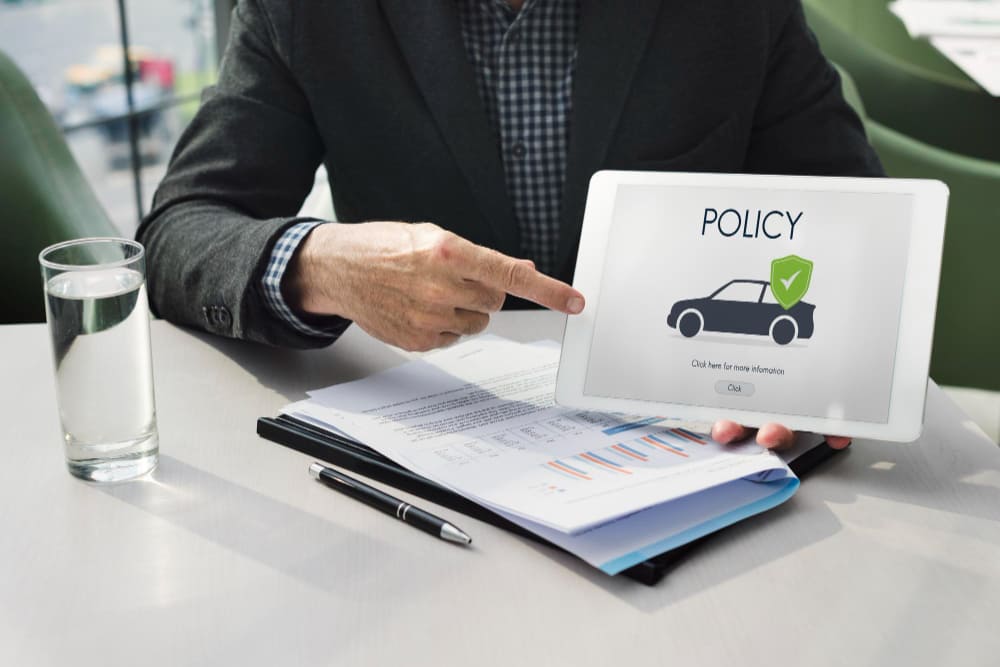
Even though the at-fault driver is responsible, your own insurance may still pay for your repairs depending on what coverages you have. Florida does not automatically provide coverage for your own vehicle damage. Instead, the following optional coverages determine whether your insurer pays:
Collision Coverage
Collision is the most direct way to have your insurer pay for repairs or replacement. It applies regardless of who caused the accident. You will need to pay your deductible, but your insurer can later seek reimbursement (subrogation) from the at-fault party, and you may recover part or all of your deductible.
Comprehensive Coverage
This coverage applies to non-collision damage such as theft, vandalism, fire, flood, falling objects, broken glass, and animal strikes. It also involves a deductible.
Uninsured Motorist Property Damage (UMPD)
Some policies include UMPD. It pays for your property damage if:
• You are not at fault, and
• The at-fault driver is uninsured
UMPD has strict requirements and is not available on all policies.
What Florida’s “No-Fault” Does Not Cover
Personal Injury Protection (PIP) only pays for medical expenses, lost wages, and death benefits. It does not pay for vehicle damage. Many drivers mistakenly believe otherwise.
What If the At-Fault Driver Has No Insurance or Not Enough Coverage?
If the at-fault driver’s coverage is insufficient, you may need to rely on your own policy. For example:
• Repair costs exceed their $10,000 PDL limit
• The driver is uninsured
• Their insurer delays or denies liability
You can turn to your collision coverage (if purchased). Without collision or UMPD, you may be forced to pay out of pocket or pursue a personal lawsuit against the other driver.
Shared Fault and Comparative Negligence
Florida applies comparative negligence to property damage claims. Liability can be divided. If you are found partially at fault—say 20%—your recovery will be reduced proportionally.
Rental Cars, Towing, and Storage Fees
The at-fault insurance is typically responsible for:
• Rental car reimbursement
• Loss of use
• Towing and reasonable storage charges
However, insurers often try to limit or dispute these amounts.
Diminished Value (DV)
In Florida, you may claim diminished value—the loss in your car’s market value even after repairs—from the at-fault driver’s insurance. DV is generally not available under your own collision coverage, as most policies exclude it.
Key Takeaway
Florida uses a fault-based system for property damage. The at-fault driver is responsible, but your own insurance can pay if you purchased collision, comprehensive, or UMPD. Understanding your policy limits, documentation requirements, and available coverages ensures that you are fully compensated for all property-related losses after an accident.