In Florida, many vehicle owners are surprised to learn that even after a car is fully repaired, it may still lose market value simply because it now carries an
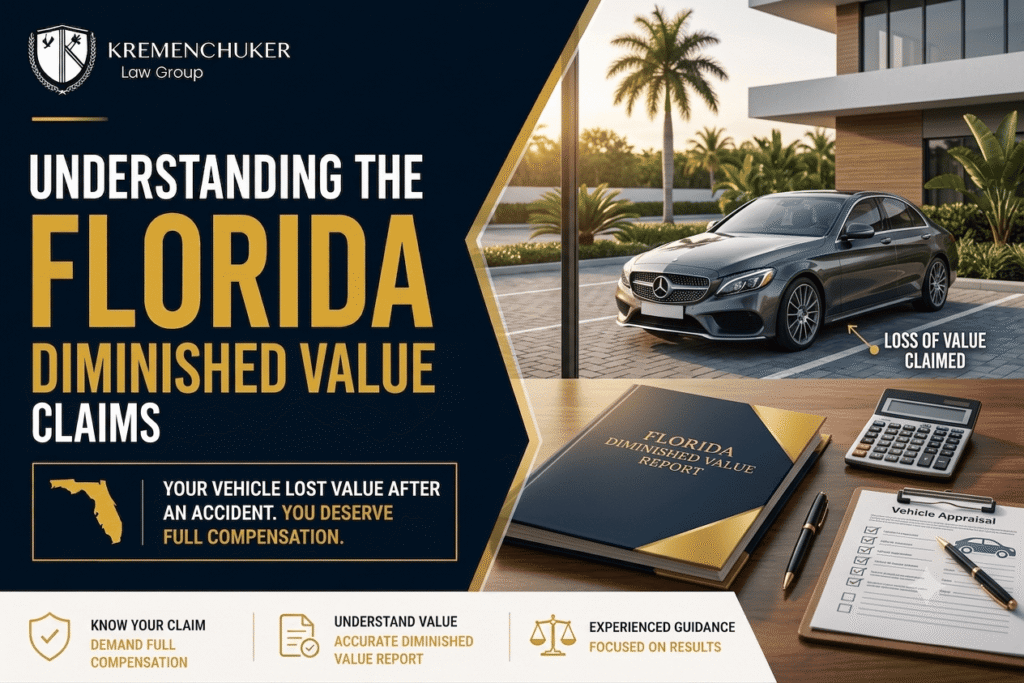
accident history. This is known as diminished value (DV). Although high-quality repairs can restore function and appearance, the stigma of a prior collision follows the vehicle, affecting resale, trade-in value, and buyer confidence. Florida law recognizes diminished value as a compensable form of damage, but recovering it depends on several key factors.
Learn about our help with diminished-value claims when a repaired vehicle has lost market value.
What Is Diminished Value?
Diminished value is the reduction in a vehicle’s market value caused by its involvement in a collision. Buyers and dealerships routinely discount cars with car accident records on services like CarFax or AutoCheck, even when repairs are performed perfectly. Florida generally recognizes three types of DV:
• Inherent diminished value, the most common form, refers to the loss of value purely because of the accident history.
• Repair-related diminished value, resulting from visible defects, frame issues, aftermarket parts, or subpar repair work.
• Immediate diminished value, representing the drop in value immediately following a collision but before repairs are made.
Is Diminished Value Compensable in Florida?

Florida allows vehicle owners to seek diminished value from the at-fault driver’s insurance company. The claim is typically supported through appraisals, photographs, repair invoices, and comparable market data. DV is especially significant for newer vehicles, luxury models, and low-mileage vehicles.
However, not every accident qualifies for diminished value recovery. Successful DV claims must satisfy specific criteria and avoid common pitfalls that may limit or preclude compensation.
Factors That Determine DV Viability
The strength of a diminished value claim depends on liability, policy limitations, vehicle history, and documentation. First, liability must clearly rest with the other driver. Florida DV claims are pursued against the at-fault carrier; first-party DV claims under your own policy are almost always excluded by contract.
Next, the insurance policy itself must provide adequate property damage coverage. Low limits or exhausted coverage may reduce or eliminate DV recovery altogether. Pre-existing damage, prior accidents, or structural issues complicate causation and allow insurers to argue that the loss cannot be attributed solely to the recent collision.
Detailed documentation plays a crucial role. Complete repair invoices, parts lists, photographs, and any frame-measurement data support inherent DV. In cases where repairs themselves cause value loss, separate repair-related DV documentation may be required. Without clear records of pre-accident condition and post-repair quality, insurers are likely to challenge or undervalue the claim.
The age, mileage, and overall market value of the vehicle also matter. Newer cars with low mileage and clean title history have strong DV potential. Older vehicles or those with high mileage often have minimal recoverable DV. If the title is branded—salvage, rebuilt, flood, or otherwise—the claim is effectively barred because the vehicle already carries significant market stigma.
Lastly, settlement history must be reviewed. If the vehicle owner has already accepted a property damage settlement or deposited a check labeled “full and final settlement,” further DV recovery may be legally barred. A clean paper trail and careful communication with insurers help preserve the claim.
What You Need to Pursue DV Successfully
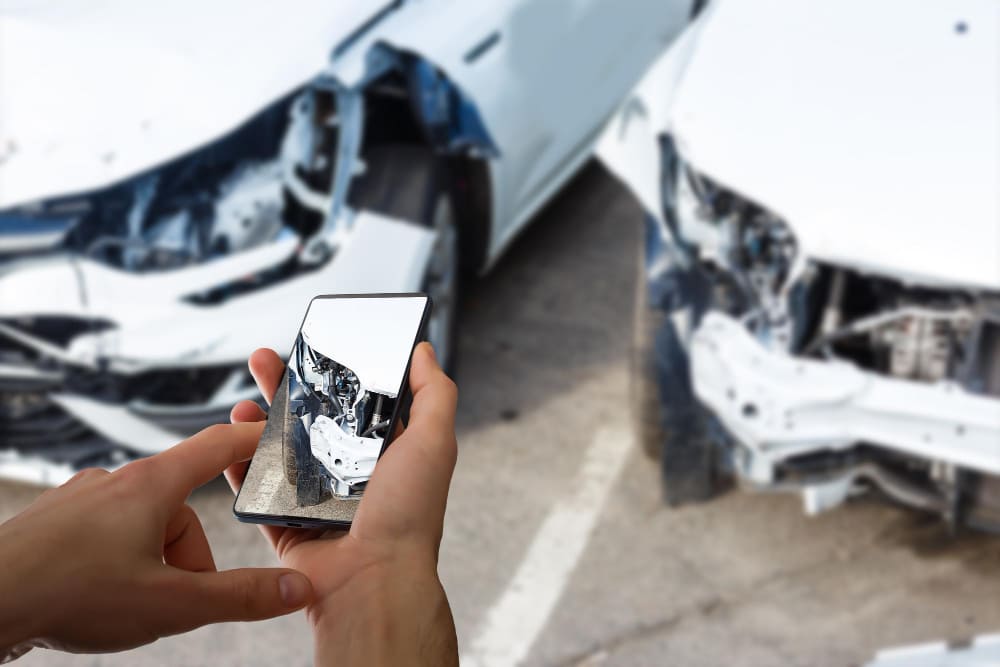
A strong Florida DV claim typically includes:
• Proof of the other driver’s liability
• Detailed repair records and photographs
• Professional DV appraisal or valuation model
• Pre-accident condition documentation (photos, service records)
• Comparable vehicle data showing market depreciation
• Clear evidence separating recent damage from prior issues
Why DV Matters
Even when repairs appear flawless, accident history affects long-term value. Dealerships and private buyers routinely discount previously damaged vehicles, resulting in real economic loss to the owner. Pursuing diminished value helps ensure that you are compensated not only for the repair costs but also for the hidden financial impact of the accident.