Dashcam clips, gas-station cameras, and phone photos have long been the closest thing a car accident case has to a neutral witness. If the video showed it, it happened. AI editing tools have started to complicate that, and the practical consequence for anyone relying on footage in a Florida crash claim is specific: video now has to be proven, not just shown.
This is not a reason to worry, and video evidence has not stopped working. What has changed is how footage gets preserved and authenticated. Here is what altered media looks like, why crash footage is exposed to it, how Florida courts decide whether a video is genuine, and why the untouched original file matters more now than it did five years ago.
What a deepfake is, and why it reaches accident claims
A deepfake is video, audio, or an image generated or altered by AI to show something that did not happen, or to change something that did. Early attempts were easy to spot. Current consumer tools produce convincing results in minutes, and they can edit real clips rather than build fakes from nothing.
For crash evidence, that second capability is the harder problem. Inventing a collision that never happened is one risk. Small edits to a genuine clip are the subtler one: nudging a car’s position, turning a light from red to green, adjusting the speed on a telemetry overlay, changing a timestamp. Those edits are far harder to notice than a fabricated video, and any of them can quietly shift who appears to be at fault.
The tools are widely available, which is what moved this from a specialist concern to an ordinary one. For someone with a claim, the useful response is not alarm. It is treating your footage as evidence that has to be safeguarded and proven, rather than as a fact that speaks for itself.
Why crash footage is exposed
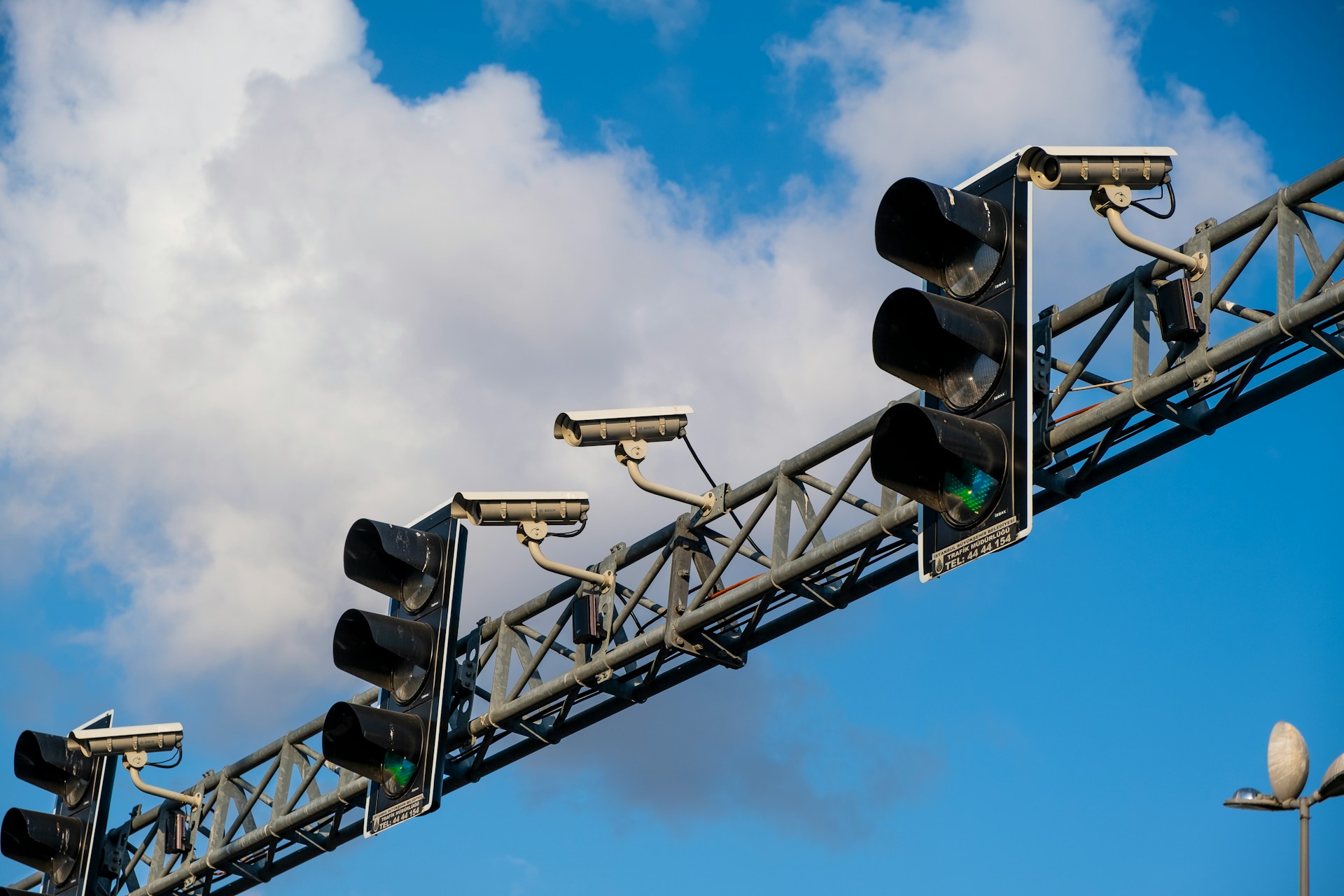
Car accident claims lean heavily on visual proof: dashcam video, nearby business and traffic cameras, police body-cam footage, photos of the vehicles and the scene. Each of those can in principle be altered, and each carries a different risk.
| Evidence type | What editing can change | Why it matters |
|---|---|---|
| Dashcam or CCTV video | Vehicle positions, light colour, weather, people present | Shifts how fault appears |
| On-screen telemetry | Displayed speed, date, time | “35 mph” can be made to read “50 mph” |
| License plates | The characters on the plate | Misidentifies the driver involved |
| Damage photos | Dents and scratches added or erased | Changes the apparent extent of damage |
| Audio or recorded statements | The words someone appears to say | Changes what was said on the record |
Claims investigators have already reported the pattern. In one documented case, CCTV footage submitted to support an alleged accident had been manipulated to change the date, the time, and the registration of the vehicle said to have caused it. Altered vehicle-damage photos turn up the same way. That history is why insurers and courts now look harder at where a piece of footage came from. The point is not that any particular clip is suspect. It is that footage no longer proves itself the way it once did, and the burden of showing it is genuine falls on whoever offers it.
How Florida courts decide whether a video is genuine
Before any video reaches a jury it has to be authenticated: someone has to show it is what it claims to be. Florida’s Evidence Code makes authentication a condition of admissibility, and the standard it sets is “evidence sufficient to support a finding that the matter in question is what its proponent claims” — Fla. Stat. §90.901. Chain of custody, metadata, and testimony from whoever recorded it all feed into that finding.
Authentication is rarely one dramatic moment. It is the sum of small verifiable facts: this file came off this device, it was stored here, it was never edited, and this is the person who recorded it. The more of that a claimant can show, the less there is to argue about.
Rulemakers are working on the AI-specific question. A proposed Federal Rule of Evidence 707 would put machine-generated evidence through a reliability test modelled on the standard for expert testimony; its public comment period closed in February 2026, and if it clears the remaining steps it would take effect on 1 December 2027. As of August 2026 it remains a proposal, not law. The practical takeaway for a claimant holds either way: clean, well-documented, unedited footage is worth more than it used to be, and a clip with no clear origin is easier to question.
Why the original file matters more than ever
This is where a case is quietly won or lost, and it happens in the first days.
The original file is the one that counts — not a re-recording, not a screen capture. An original carries metadata about when and where it was taken and on what device, which supports authenticity and is difficult to fake convincingly. A clip filmed off a screen, or exported through an editing app, sheds most of that.
Speed counts as much as care. Footage from nearby gas stations, stores, and businesses is often overwritten within days, and police body-cam video is deleted at the end of a set retention period. Wait too long and the best version of the evidence is gone, leaving weaker copies that are simpler to dispute. Secure the original, untouched file as early as you can — part of what to do in the first days after a crash.

How to protect the video evidence in your case
A handful of steps make footage far more defensible:
- Keep originals. Do not crop, filter, compress, or re-export. Save the file exactly as the device recorded it, and back it up.
- Preserve metadata. Avoid sending clips through apps that strip location and time data, and hold on to the source device.
- Request outside footage fast. Ask nearby businesses to preserve their video, and request police body-cam footage and the crash report before retention windows close.
- Document the chain. Note who recorded what, when, and how it was stored. That record is what authenticates the video later.
- Get help early. A Florida car accident lawyer can send preservation letters, obtain footage through proper legal channels, and bring in a forensic expert where authenticity is in question.
Authentication runs in both directions. Any video offered in a claim — whoever produces it — has to survive the same test, and a clip whose origin is unclear can be examined by a forensic expert. One disputed piece of footage rarely decides a case on its own, which is easier to see once you understand how car accident claims are valued and resolved.
Our team handles personal injury claims in Fort Myers and North Port, and preserving evidence properly is part of the first conversation. That conversation is free, and you pay only if we win. Call 239-995-3425. On how the same technology shows up elsewhere in a claim, see our overviews of how law firms use AI in injury cases and how AI is used to value injury claims. No attorney’s fees or costs unless we recover for you.